Approaches to Learning in 10 slides
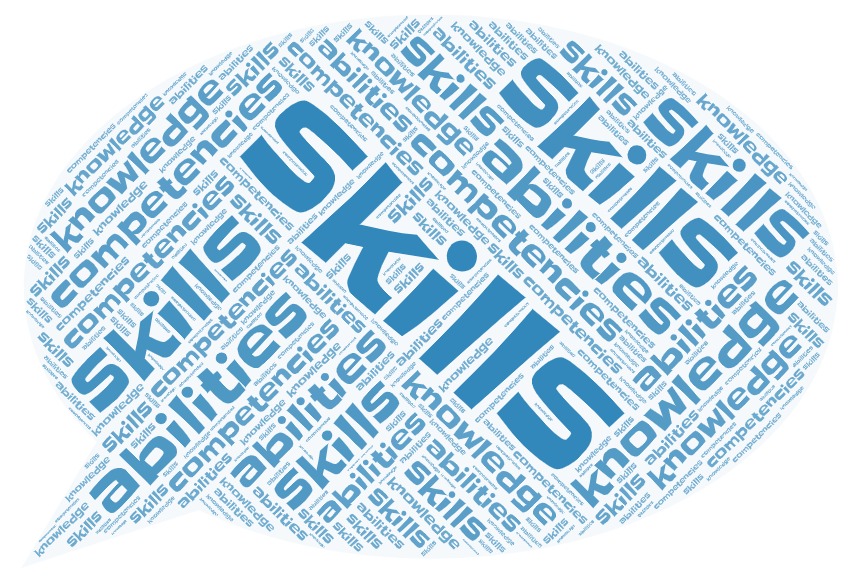 A quick introduction to the IB Approaches to Learning using 10 slides.
This set of slides is part of the '10 slides' series intended to introduce teachers and students to key aspects of an IB Education. They can be used as a refresher or as a way of introducing new staff and students to some of the key ideas.
Use the presentation mode on the PPT to get full view.

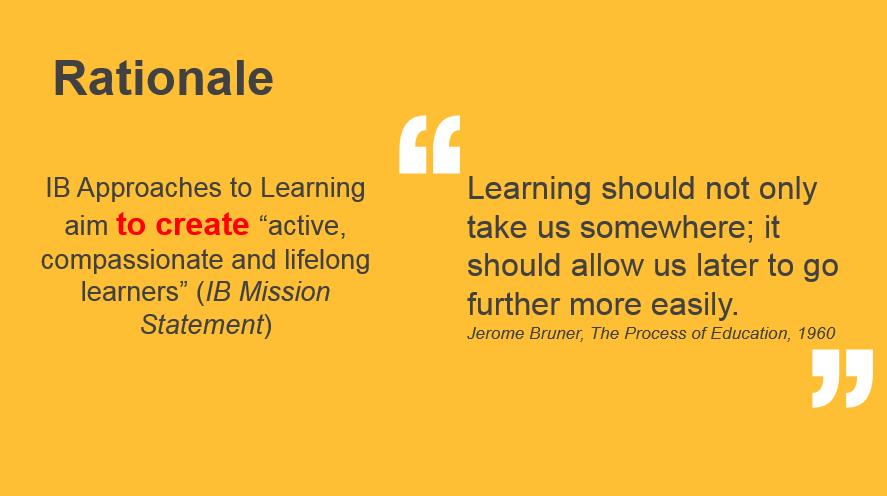


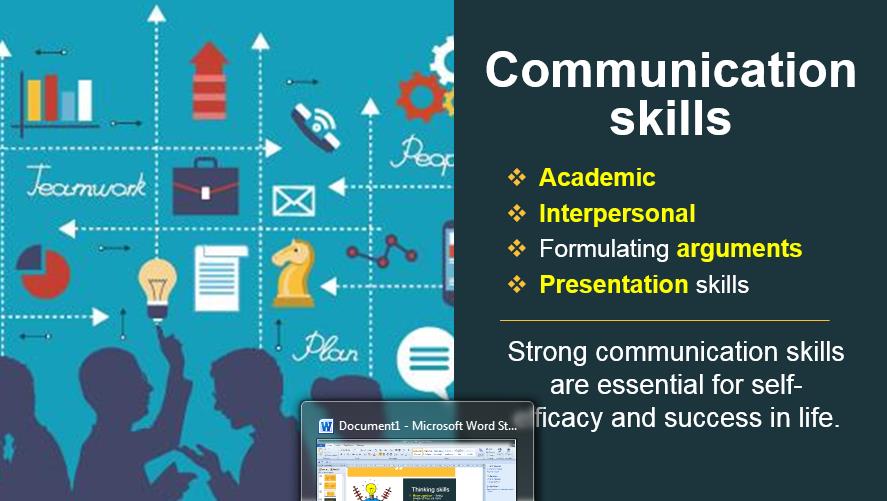
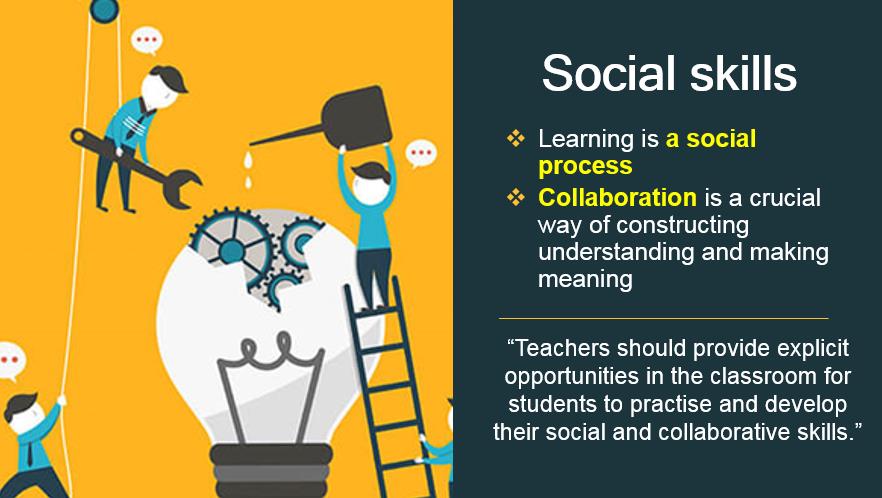


The following pages also explore the IB Approaches to Learning in the form of mini workshops:
- IB Approaches to Learning is an introduction to each of the approaches to learning. The IB approaches to learning are a set of strategies and skills. They pay especial attention on how students learn as opposed to merely the content of the learning.
- Which skills are important? is a discussion piece to help school leaders and staff faculty think through the skills they are trying to develop and nurture in their students and how we create the environment for skill development. Our professional inquiry will consider why learning to learn skills are important, and which particular life skills are valued by different stakeholder groups.
Communication Skills is written in the form of a reflective thought piece to help school leaders think through the communication skills they are trying to develop and nurture in their students. Our professional inquiry will consider why communication skills are important, which particular skills are we trying to develop, and strategies to develop them throughout the curriculum.
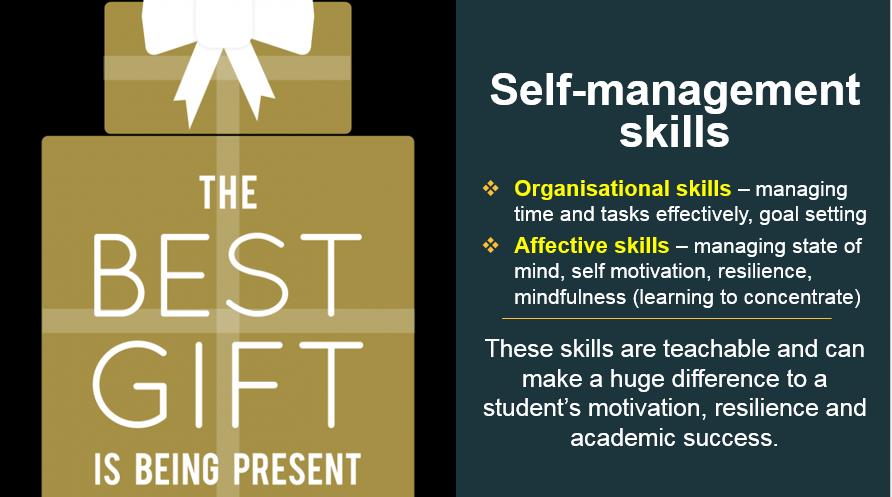
Self-Management is written in the form of a reflective thought piece to help school leaders think through the personal skills they are trying to develop and nurture in their students. Our professional inquiry will consider why self-management skills are important, which particular skills are we trying to develop, a model to help formulate a shared vocabulary within the school community and an initial exploration about how these skills can be assessed and reported on.
- Thinking Skills are key to content mastery or deep understanding (higher skills & scores), lifelong learning skills (growth mindset, higher transfer, etc.), IQ-type skills (synthesis, analytics, and problem solving), and EQ-type skills (emotional intelligence, pro-social behavior, grit, compassion).