Pitching your message

How to deliver a speech or presentation and have impact
In your role, when do you need to persuade others of an argument or a change you wish to bring about?
On this page we look at the key factors you need to put together a clear and engaging call to action using a five-step process known as Monroe's Motivated Sequence.
Alan H. Monroe, a Purdue University professor, used the psychology of persuasion to develop an outline for making speeches that will deliver results.
(Image source: Microphone Sound - Free photo on Pixabay )
Have a clear understanding of your audience and their needs before delivering your presentation / speech.
The three points on the Rhetorical Triangle relate directly to the three classic appeals you should consider when communicating:
Ethos: building trust by establishing your credibility and authority (Writer).
Pathos: appealing to emotion by connecting with your audience through their values and interests (Audience).
Logos: appealing to your audience's intelligence with well-constructed and clearly argued ideas (Message).

Ask yourself:
- What's the best way to communicate this message?
- What level/type of language should I use?
- Does the audience have any background information on the topic?
- Will my audience need any additional resources to understand my message?
- Am I expressing emotions in my message? If so, which emotions?
- Will the audience assume anything about me or my motives that will damage the credibility of the communication?
Monroe’s motivational sequence is a technique for organizing persuasive speeches that inspire people to take action.. It also helps the audience feel like the speaker knows the problem at hand and is listening to them instead of just tuning them out.
- Get attention by using a rhetorical question, a (shocking) statistics or an anecdote / story.
- Establish the need for change from current situation – use statistics to back up your statements | speak of the consequences of maintaining status quo and not making changes.
- Satisfy the need: introduce your solution to the problem you have identified. This is the main part of your presentation: you could include facts, testimonials, examples. Prepare counterarguments to anticipated objections.
- Visualize the future: describe what the situation will look like if the audience does nothing and then present a clear description of what the future would look like if they adopted your vision.
- Actualization: end the pitch by a call to action, leaving your audience with specific things that they can do to solve the problem. This can be as simple as inviting them to a further conversation.

An elevator pitch is an overview of an idea or product. It aims to get an idea or argument across to another person quickly, so it catches their attention, persuades them to pay attention to what you have to say, and to convinces them that they want to hear more.
An elevator pitch does this by answering some basic questions:
- What is it?
- Who needs it?
- Why do they need it?
Pitches should be clear, concise, compelling, credible, concrete and conversational.
Select your audience (governors, parents, colleagues, students).
Use Monroe's Motivational Seqeunce to write an elevator pitch on a subject of your choice.
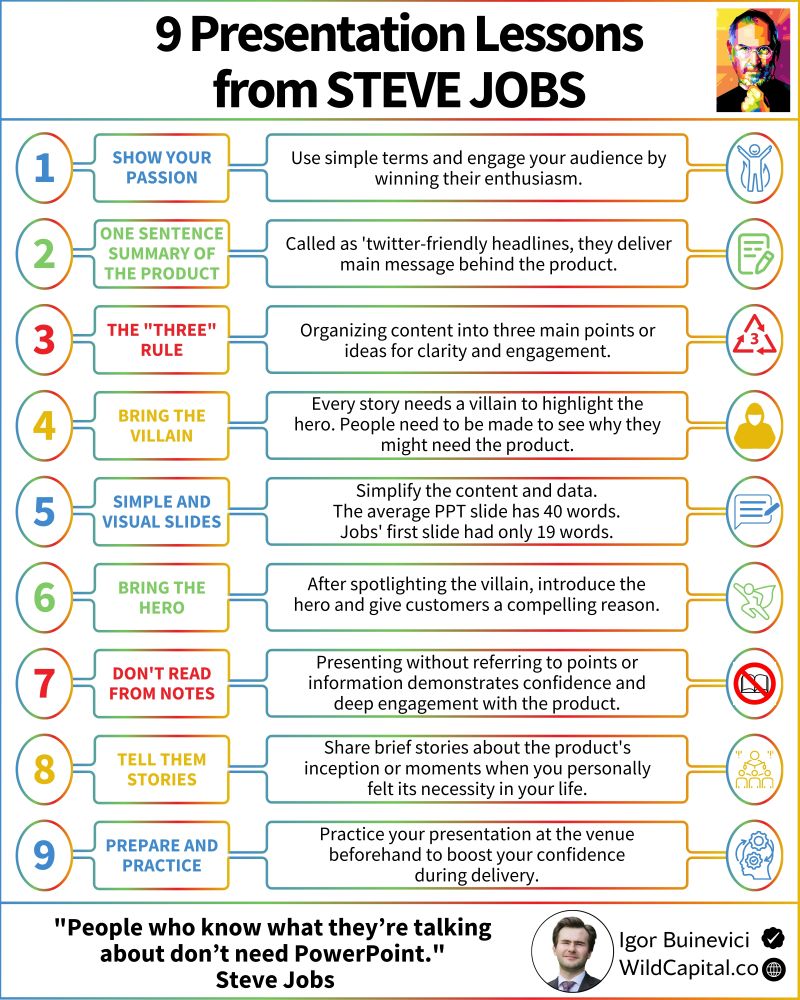
Everyone makes communication mistakes from time to time. However, you'll protect your reputation if you avoid the most common errors.
- Not checking your work – for spelling and tone. It can make you look careless and even rude. Do not rely on spell checkers. It can be helpful to read what you have written aloud, or even get someone else to check it first.
- Not preparing enough: It is important to prepare your work carefully – whether this is a speech you need to give or a presentation to a particular group of people. Consider the audience as well as the message. Use tools like the Rhetorical Triangle and Monroe's Motivating Sequence to create a credible, intelligent, and compelling message that appeals to your audience's emotions, as well as to their intellects.
- Not keeping an open mind – avoid making assumptions about people. Your audience(s) can be very diverse and their diversity can be a source of enrichment.
- Delivering bad news by email – you need to treat people well and deliver bad news sensitively. You need to be able to read their emotions and be able to relate to them, if you are to minimize long-term upset.
- crucial conversations when you must give negative feedback. Avoiding these conversations will not make the issue go away. However, such conversations need to be carefully prepared for.
- Reacting to situations, and not responding to them: It is easy to respond emotionally in the moment, but this shows your lack of control when you demonstrate frustration or anger etc.
- Assuming that your message has been understood: Just because you have given a message do not assume that it has been understood in the way you intended. Check for understanding and perception. Build in time for discussion and collaborative dialogue.